🌍 Location & Size
- Situated in southern Tanzania, stretching across the regions of Morogoro, Lindi, Ruvuma, and Pwani.
- Covers about 50,000 km², making it one of the largest protected areas in Africa.
- In 2019, the northern part of Selous was reclassified as Nyerere National Park, while the southern section remains a game reserve.
📜 History & Significance
- Established in 1922 as a game reserve, named after Frederick Selous, a British explorer and conservationist.
- Recognized as a UNESCO World Heritage Site in 1982 for its ecological importance.
- Famous for its untouched wilderness and low tourist density compared to northern circuit parks.
🐘 Wildlife
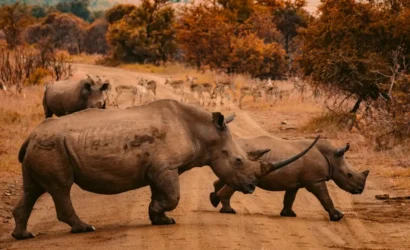
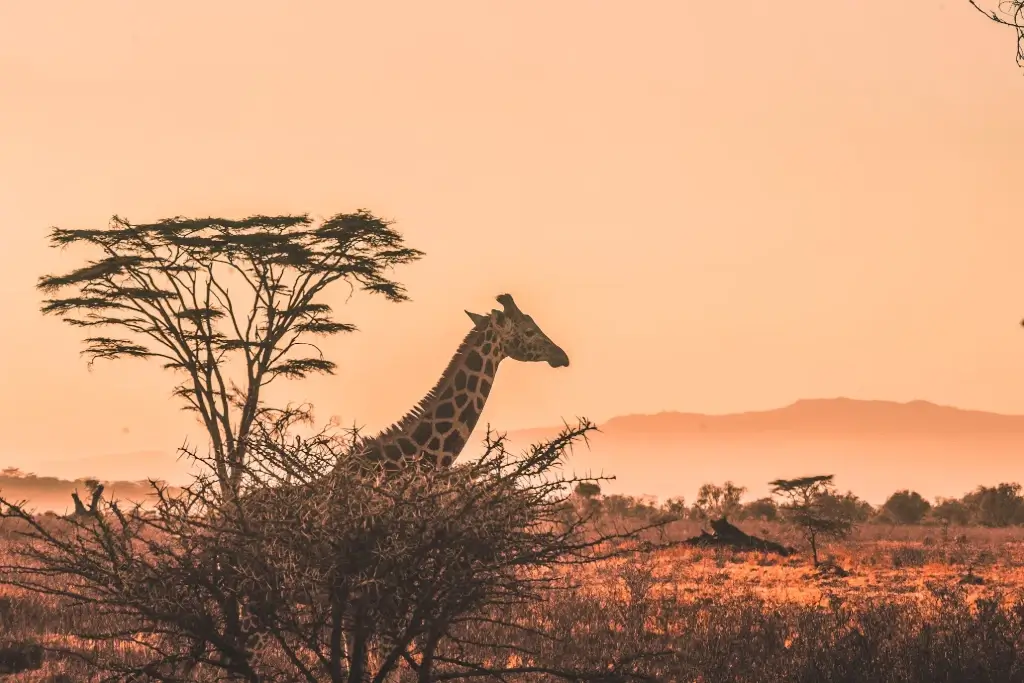
- Hosts large populations of elephants, lions, leopards, giraffes, buffaloes, zebras, hippos, and crocodiles.
- Known for African wild dogs, one of the rarest carnivores in Africa.
- Birdlife is abundant, with over 440 species recorded.
- The Rufiji River is a lifeline, supporting diverse aquatic and terrestrial ecosystems.
🌿 Landscapes & Features
- A mix of savannah, wetlands, rivers, lakes, and woodlands.
- The Rufiji River dominates the reserve, with networks of channels, lakes, and swamps.
- Scenic boat safaris along the river offer unique wildlife viewing opportunities.
🎒 Activities
- Game drives across vast savannahs.
- Boat safaris on the Rufiji River, spotting hippos, crocodiles, and waterbirds.
- Walking safaris, offering close encounters with nature.
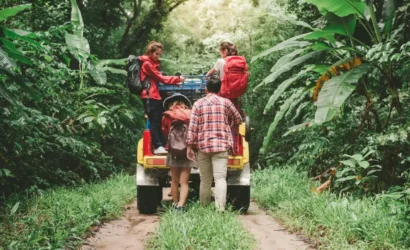
- Fly-camping and photographic safaris for adventurous travelers.
✨ Why It’s Special
- Size & scale: Larger than Switzerland, offering unmatched wilderness.
- Unique safari mix: Combines traditional game drives with river safaris.
- Conservation importance: Critical habitat for elephants and wild dogs.
- Less crowded: Provides a more remote, authentic safari experience compared to Serengeti or Ngorongoro.
-
Easy to Moderate
-
2-15
-
English, Swahili
-
Nature Friend, Cultural & Child friend
-
October, and All dry seasons
-
Dar Es Salaam
-
12
-
65
-
1 - 10
Overview
-
Situated in southern Tanzania, stretching across the regions of Morogoro, Lindi, Ruvuma, and Pwani.
-
Covers about 50,000 km², making it one of the largest protected areas in Africa.
-
In 2019, the northern part of Selous was reclassified as Nyerere National Park, while the southern section remains a game reserve.
Highlights
- 🚤 Rufiji River Boat Safari; Unique water-based wildlife experience.
- 🚶♂️ Walking Safari; Spot elephants, lions, giraffes, buffaloes, and wild dogs.
- 🏡 Cultural Visit; Learn about animal tracks, medicinal plants, and bird calls.
- 🌄 Sunrise & Sunset Safaris; Magical sunsets over the plains and riverbanks.
- 🏕️ Lodge Experience; Enjoy campfires, stargazing, and bush dinners.